What is the Taxpayer Identification Number of My Trust?
A trust identification number is essential for identifying a trust as a legal entity for tax purposes. Whether you are establishing a revocable or irrevocable trust as part of your estate plan, having the correct identification number is crucial to properly managing your assets and meeting your tax obligations.
What Type of Number Does a Trust Use?
A trust's taxpayer identification number is always one of the following: a Social Security Number (SSN) or an Employer Identification Number (EIN). Which one applies depends on the type of trust and whether the grantor is living.
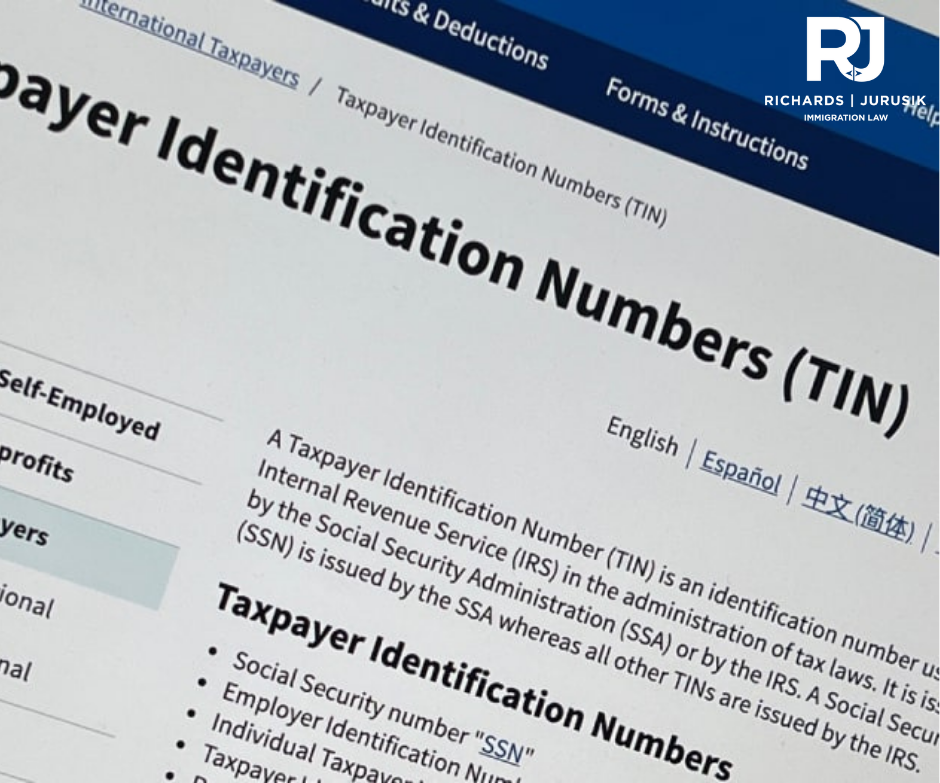
An EIN functions similarly to a Social Security Number but is issued by the IRS and assigned specifically to trusts and other legal entities. Despite the name "Employer" Identification Number, in the context of a trust, an EIN has nothing to do with employment status — it simply serves as a unique identifier for the trust as a legal entity.
Revocable Living Trusts
In a typical estate plan, there is generally a pour-over will paired with a revocable living trust. A revocable living trust is a trust created during the grantor's lifetime that can be amended, modified, or revoked entirely at any time while the grantor is alive and has legal capacity.
During the grantor's lifetime, no separate EIN is needed. For tax purposes, all income generated by assets held in the revocable trust is taxed directly to the grantor. When you are asked to provide a Federal tax identification number for your revocable trust, simply use your own Social Security Number. Funding the trust with your assets will not change how you report income — you will continue to report all income on your personal Form 1040, and no separate trust tax return is required during your lifetime.
Upon the grantor's death, the successor trustee will need to obtain a new EIN for the trust. At that point, the trust becomes irrevocable by operation of law, and a separate taxpayer identification number is required to administer the trust and file any necessary trust tax returns going forward.
Irrevocable Trusts
An irrevocable trust, unlike a revocable trust, generally cannot be revoked or amended once established, except in very limited circumstances. Because the grantor has relinquished control over the assets, the trust is treated as a separate legal entity for tax purposes. As a result, an EIN is typically required for an irrevocable trust at the time it is created.
A Note on Intentionally Defective Grantor Trusts
One notable exception is the Intentionally Defective Grantor Trust (IDGT). An IDGT is a type of irrevocable trust that is structured so that, while the assets are removed from the grantor's taxable estate for estate tax purposes, the trust's income is still taxed to the grantor for income tax purposes. In other words, the trust is "defective" as to income taxes — intentionally so — because having the grantor pay the income tax is often itself a tax-efficient wealth transfer strategy.
Because the grantor remains responsible for the income tax, the grantor's own Social Security Number can still be used for the IDGT. However, many practitioners and financial institutions prefer that a separate EIN be obtained for administrative clarity and recordkeeping purposes.
How to Obtain an EIN for Your Trust
Obtaining an EIN requires completing IRS forms that ask for information about the trust and the grantor. The process can be completed online, by mail, or by fax. When applying online, the IRS issues the EIN immediately upon completion. Given that errors in the application can create complications down the road, many individuals choose to work with an estate planning attorney to ensure the information is submitted accurately.
For more information or to apply directly, visit the IRS EIN application page.
This article is for general informational purposes only and does not constitute legal or tax advice. Please consult a qualified estate planning attorney or tax professional regarding your specific situation.